
Teacher stress…can journaling help?
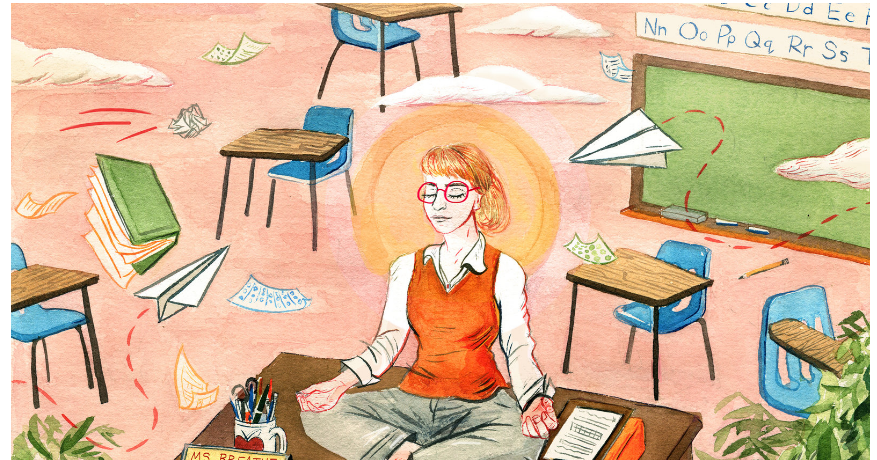
I remember many occasions when, by 9:30 am, I had already responded to a dozen emotive issues: the upset parent, the child dysregulating, the early morning staff briefing, and the child protection referral forms. Not a rare but a common experience in schools across the UK and I suspect the world. Teaching is a complex profession that provides immense extremes of emotions, success to failure, joy to depression, rewarding to soul destroying. If you are reading this and not in the profession yourself, send a teacher a message of thanks, admiration, and appreciation; it may well be the one thing that brings them back to the classroom after the Christmas break.
For me, there are many things that have enabled and empowered the ability to sustain a career and celebrate the impact I know I have had on pupils and their famillies. I am eternally grateful for those who have told me so on the way. But what can I do to own my own reflection and strength of resilience in all of this? For me, the power of drawing or writing my thoughts on paper or on a laptop have proven to be immensely powerful in reframing my own emotional states and a habit that has lead to tangible results in problem solving the seemingly impossible in my professional and personal life. And there is evidence-based science behind what I have discovered… read on!
Journaling helps teachers reduce stress by providing a space to process overwhelming thoughts, track positive moments (gratitude), gain perspective on classroom challenges, and create distance from emotional reactions, leading to better coping, clarity, and overall well-being, often through simple, short reflective sessions or prompts about stressors and self-care.
Key Journaling Benefits for Teachers
Emotional Release: Writing down worries or frustrations (like unwritten parent emails) provides catharsis, similar to writing an unsent letter, sciencebysinai.com/why-you-should-keep-a-teacher-journal/
Clarity & Control: It helps declutter the mind, allowing you to move from swirling emotions to logical responses, giving a sense of agency. https://my.chartered.college/impact_article/reclaiming-teacher-wellbeing-through-reflective-diary-writing/
Perspective Shift: Focusing on small wins or student successes builds optimism, while reframing negative events helps combat burnout.
Problem Solving: You can identify stressors, brainstorm solutions, and plan small, actionable steps to tackle them.
Journaling Techniques & Prompts
Gratitude Journal: List things you're thankful for (a helpful colleague, a student's kind note) to boost happiness.
Stress Reflection: Ask: "What's causing stress?" "How does it feel in my body?" "What's one thing I can let go of?".
Transition Ritual: Use journaling as a short end-of-day ritual to leave work worries behind and transition to personal time.
Unsent Letters: Write out difficult conversations you can't have with parents or admin to process them therapeutically.
Mindful Moments: Focus on the present, identifying positive affirmations or visualizing a calm self.
But I have no time! - I hear you!
Getting Started
Start Small: Just a few minutes is enough to feel the benefits.
Focus on the Positive: Jot down small rewards or compliments.
Make it a Habit: Link it to your commute or bedtime for consistency.